How to Choose an Impact Wrench
Recommended picks

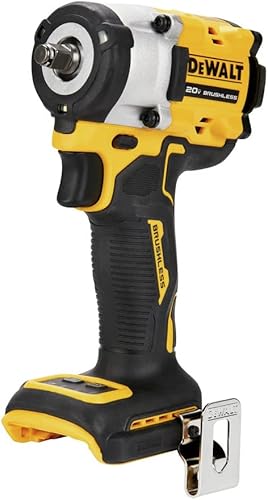
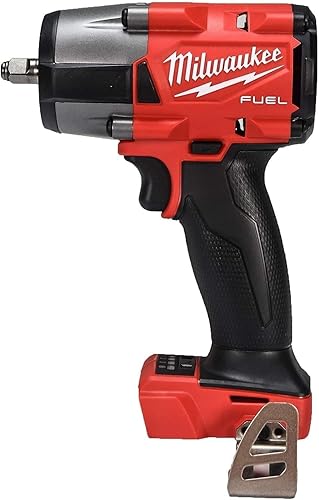
Impact Wrench vs. Impact Driver: Know the Difference Before You Buy
Impact wrenches and impact drivers both use a hammering mechanism to deliver rotational force, but they are built for fundamentally different fasteners. An impact driver is optimized for driving screws and small hex-shank bits, typically weighing under 2 pounds, like the Milwaukee 2656-20 at 1.5 pounds or the Milwaukee M12 FID2 at 1.63 pounds. An impact wrench is designed to loosen and torque threaded bolts and nuts using a square drive and sockets, and it delivers far more torque at lower RPM. The DEWALT DCF900P1, for example, weighs 11 pounds and runs at 20 volts, a size and weight that signals genuine high-torque wrench capability. If you are changing tires, assembling steel structure, or working on engine components, you need an impact wrench. If you are assembling furniture or driving lag screws into framing, an impact driver handles that job. Buying the wrong tool means either stripping fasteners with too much force or stalling out because the tool lacks the torque to break a seized bolt loose.
Drive Size: 1/4-Inch, 3/8-Inch, and 1/2-Inch Explained
Drive size determines which sockets fit the tool and, indirectly, the torque range the wrench is built to deliver. A 1/4-inch drive is compact and suited for light assembly work, electrical panels, and smaller fasteners where precision matters more than raw power. A 3/8-inch drive covers the broad middle ground: medium-torque applications like brake calipers, engine accessories, and general maintenance. For automotive wheel lug nuts, suspension work, heavy equipment, and structural bolting, a 1/2-inch drive is the standard choice because it can handle the higher torque outputs without damaging the socket interface. The DEWALT DCF923, weighing 2.76 pounds at 20 volts, falls into the compact 3/8-inch class and is a practical pick for a mechanic who needs a lighter tool for confined engine bays. The DEWALT DCF900P1, also 20 volts but at 11 pounds, is sized for a 1/2-inch drive and the serious torque demands that come with it. Match the drive size to your most common fastener size, not to the largest job you might ever face, or you will spend most of your time fighting a tool that is too heavy for routine use.
Power Source: Cordless, Corded, and Pneumatic
Cordless battery-powered impact wrenches dominate the current market because they combine genuine torque output with job-site mobility. Virtually all of the high-demand models in this category run on lithium-ion battery platforms at 18 to 20 volts. The DEWALT DCF845P1 at 20 volts and 5.1 pounds, with 3,100 verified owner reviews, is a strong example of a cordless mid-range wrench that travels to the job. The Makita XDT131, running at 18 volts and 3 amps with a 3,400 RPM speed, reaches the upper end of compact wrench performance on a cordless platform. Corded electric wrenches offer unlimited runtime and consistent power without battery management, making them sensible for shop use where an outlet is always nearby. Pneumatic impact wrenches require an air compressor, which adds cost and complexity, but they deliver exceptional torque-to-weight ratios and can run continuously on a large compressor without heat buildup. For most DIYers and tradespeople who move between locations, cordless is the practical choice. Shops doing high-volume repetitive work, such as tire shops or assembly lines, often favor pneumatic for its sustained output and lower per-tool cost.
Voltage and Torque for Cordless Models
Voltage in a cordless impact wrench is the single strongest predictor of available torque, but it works in combination with the battery's ampere-hour rating and the motor design. The majority of serious cordless impact wrenches run at 18 volts or 20 volts, which are electrically equivalent across different brand battery systems. A 12-volt platform, like the Milwaukee M12 FID2 at 12 volts and 1.63 pounds, trades raw torque for extreme compactness, making it appropriate for tight spaces where a standard wrench cannot fit. At 18 to 20 volts, the PORTER-CABLE PCCK647LB lists 14 amps and 2,700 RPM, delivering solid mid-range wrench performance at $157.42. The DEWALT DCF787C1 at 20 volts and 1.3 amps runs at 2,800 RPM, with 5,800 verified reviews showing strong owner confidence in its light-duty to mid-duty cordless output. Battery ampere-hour capacity matters as much as voltage for long sessions: a 5Ah battery on an 18-volt platform gives substantially longer runtime than a 2Ah pack on the same tool. When you are evaluating cordless wrenches, check whether the kit includes the battery or if it is a bare tool, because adding a compatible battery pack can shift the effective purchase price by $40 to $100.
Weight and Ergonomics for Sustained Use
Weight matters most when you are working overhead or in awkward positions for extended periods. A 1.5-pound compact impact like the Milwaukee 2656-20 causes almost no fatigue working above shoulder height, but it lacks the torque for heavy automotive work. The Makita XWT08Z at 7 pounds and 18 volts sits squarely in the full-size high-torque wrench range, well suited for lug nut duty but noticeably tiring after an hour of overhead work on an undercarriage. The DEWALT DCF900P1 at 11 pounds is a dedicated heavy-torque tool that most users would mount to a hoist or use only for short bursts on stubborn fasteners, not for all-day ergonomic tasks. Balance is as important as raw weight: a front-heavy wrench that puts weight out at the anvil wears out your wrist faster than one with a balanced motor-over-battery layout. Owners consistently report that compact to mid-size models in the 2.76 to 5.1 pound range, like the DEWALT DCF923 at 2.76 pounds or the DEWALT DCF845P1 at 5.1 pounds, hit the best usability balance for mixed automotive and general maintenance use.
Variable Speed, Modes, and Control Features
A basic single-speed impact wrench runs at full torque whenever you pull the trigger, which can over-torque precision fasteners or strip aluminum threads if you are not careful. Variable-speed triggers let you feather the output for delicate work and open up full power only when breaking loose stubborn bolts. Better wrenches include multiple torque modes, sometimes labeled as high, medium, and low, which are particularly useful when you need to torque fasteners to a specification without a separate torque wrench. The DEWALT DCF845P1 at 3,400 RPM and 20 volts, with 3,100 reviews at 4.8 stars, is rated highly by owners for its torque mode controls that reduce the risk of over-driving. A forward and reverse clutch or quick-switch mechanism is standard on quality wrenches and should feel positive and mechanical, not mushy. If you are doing precision fastening on cylinder heads or suspension components, a brushless motor is worth the premium because it maintains consistent torque delivery across the battery discharge cycle rather than tapering off as the battery drains.
Price and Value: What You Get at Each Tier
At the budget end, around $70 to $110, you get compact cordless impact tools with lower continuous torque and smaller battery packs, represented by the Milwaukee 2656-20 at $70.00 with 4,600 reviews and solid build quality at 18 volts. These are practical starter tools for occasional tire changes or light fastening. The mid-range from roughly $150 to $200 includes the PORTER-CABLE PCCK647LB at $157.42, the DEWALT DCF923 at $191.99, and the DEWALT DCF787C1 at $185.00, all 20-volt battery-powered tools with strong review bases above 2,000 verified owners. These mid-range wrenches cover the majority of automotive and construction applications without requiring a premium budget. Premium tools above $200, like the DEWALT DCF900P1 at $264.99 with 2,633 reviews and 2,000 buyers in the most recent month, and the Makita XWT08Z at $259.99, are justified when you need the highest torque output, brushless motor longevity, or are expanding into an existing premium battery ecosystem. Buying into a battery platform you already own, such as DEWALT 20V MAX or Milwaukee M18, can significantly reduce the per-tool cost because you reuse existing battery packs across your entire tool set.
Common mistakes to avoid
- Buying an impact driver when you need an impact wrench: impact drivers use 1/4-inch hex bits for screws, not sockets for bolts, and lack the torque to break seized lug nuts.
- Choosing a 1/2-inch drive wrench for light work: the added weight of a full-size 11-pound wrench like the DEWALT DCF900P1 is unnecessary and tiring for brake caliper bolts or small engine work.
- Ignoring whether the kit includes a battery: bare-tool listings at $70 to $100 may require a separately purchased battery pack that costs as much as the tool itself.
- Skipping variable torque modes on precision applications: running a single-speed wrench at full power on aluminum fasteners or delicate assemblies causes stripped threads and damaged components.
- Mixing battery voltages between tools: 12-volt, 18-volt, and 20-volt batteries are not cross-compatible even within the same brand family, so verify platform compatibility before purchase.
- Overlooking total weight for overhead or confined-space tasks: a 7-pound or 11-pound wrench that is ideal on a floor-level wheel becomes exhausting when working under a vehicle on a lift for extended periods.
Frequently asked questions
What is the difference between an impact wrench and an impact driver?
An impact wrench uses a square drive to accept sockets and delivers high torque for loosening or tightening bolts and lug nuts. An impact driver uses a 1/4-inch hex chuck for screwdriving bits and is optimized for driving fasteners, not breaking loose seized bolts. The Milwaukee 2656-20 at 1.5 pounds is a compact impact tool suited for fastener driving, while the DEWALT DCF900P1 at 11 pounds is a true high-torque wrench for automotive and heavy-duty work.
What drive size do I need for changing car tires?
A 1/2-inch drive impact wrench is the standard for lug nuts on passenger vehicles and light trucks. The 3/8-inch drive is adequate for some smaller lug nuts but may not have the torque to break loose rusty or overtightened fasteners. Tools like the DEWALT DCF900P1 at 20 volts and 11 pounds are sized specifically for this kind of sustained lug nut duty.
Is 18 volts or 20 volts better for a cordless impact wrench?
18 volts and 20 volts maximum are electrically equivalent in practice. The difference is a labeling convention between Makita and Milwaukee (18V) versus DEWALT and PORTER-CABLE (20V MAX). Choose based on which battery platform you already own rather than the voltage label, since battery compatibility across tools in the same family is the bigger cost factor.
How heavy is too heavy for a cordless impact wrench?
For general automotive maintenance and overhead work, models in the 2.76 to 5.1 pound range, such as the DEWALT DCF923 at 2.76 pounds or the DEWALT DCF845P1 at 5.1 pounds, offer a practical balance of torque and usability. Wrenches above 7 pounds are suited for dedicated high-torque applications where the tool rests between uses, not for sustained overhead tasks.
Do I need a brushless motor in an impact wrench?
Brushless motors deliver more consistent torque across the battery charge cycle, run cooler under sustained load, and generally last longer than brushed motors. For occasional DIY use a brushed tool will serve reliably for years, but tradespeople using an impact wrench daily will see a real durability and efficiency return from a brushless model. The DEWALT DCF845P1 at $198.89 with 3,100 reviews and a 4.8 rating is a well-validated brushless option in the mid-range.
Can I use an impact wrench for driving lag screws and deck fasteners?
Yes, a 1/2-inch drive impact wrench with a socket adapter can drive hex-head lag screws efficiently, and many owners use them for deck and structural framing work. However, the torque is high enough to snap smaller fasteners or crush soft materials, so use the lowest torque mode available and keep your hand off the fastener as the wrench approaches flush. A dedicated impact driver with a hex chuck offers more control for screw driving than a full-size wrench.