Pneumatic vs Cordless Nailers: Which Power Source Is Right for You
Recommended picks

How Each System Delivers Power
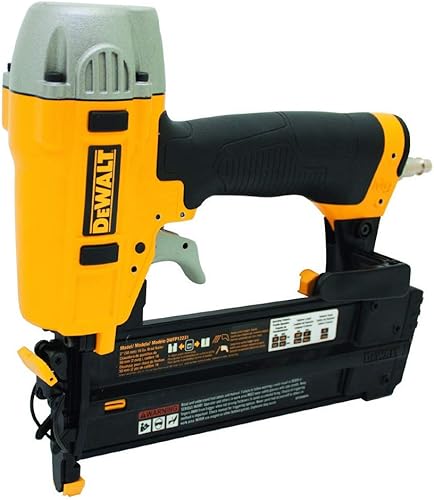
A pneumatic nailer works by releasing a burst of compressed air when you pull the trigger, driving a piston that slams the fastener home. The power source lives off the tool entirely, sitting on the ground as a compressor, which is why pneumatic nailers are mechanically simple and light for their class. The DEWALT DWFP12231, an air-powered brad nailer rated at $107.99 with 5,003 reviews at 4.7 stars, weighs just 2.65 pounds because it carries no motor or battery. A cordless nailer replaces the air supply with an onboard lithium-ion battery pack driving either a brushless motor or a spring-loaded flywheel mechanism. The Metabo NT1850DG, for example, runs on an 18-volt battery, includes that battery in the box, and weighs 5.5 pounds. Neither system is universally superior. The right choice depends on your job conditions, volume of work, and what infrastructure you already own going into the purchase.
Weight, Balance, and Day-Long Fatigue
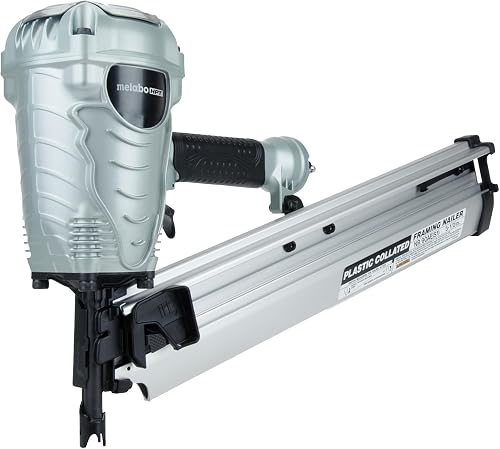
Because the power source stays on the ground with a pneumatic setup, the nailer itself carries only its mechanical components and magazine. The DEWALT DWFP12231 at 2.65 pounds is easy to hold overhead for extended crown molding or ceiling trim runs. Cordless tools integrate the battery into the body, which raises the center of mass and total weight. The Metabo NT1850DG at 5.5 pounds is manageable for most tasks, but you will feel the difference after a full shift of overhead finish work. It is worth noting that heavy-duty pneumatic framing nailers also add up: the Metabo NR90AES1, an air-powered framing nailer weighing 7.5 pounds at $169.0 with 2,445 reviews at 4.7 stars, shows that pneumatic tools are not uniformly light across all nail types. Factor in hose drag too: a long air line trailing behind you adds physical resistance even though you are not holding its weight. On jobs where you move frequently between rooms or levels, that drag is a real annoyance.
Portability and Hose Management
The defining practical advantage of cordless nailers is unrestricted movement. There is no hose to route up a ladder, thread through framing bays, or untangle from door hardware after backing out of a room. On rooftop work, in tight attic cavities, and across multi-story framing operations, a cordless tool like the Metabo NT1850DG, measuring 11 x 3.5 x 10 inches with an 18-volt battery, reaches positions where running an air line would require a second trip and extra setup. Pneumatic tools require routing air lines from the compressor to your work area, and very long hose runs can reduce operating pressure at the gun if the hose diameter is too small. For a shop or production framing crew where the compressor sits in one corner and the crew stays in the same area all day, the hose is a genuine non-issue and the lightweight gun is an advantage. For a solo finish carpenter moving from room to room in an occupied home, or an installer working on upper floors without a convenient place to park a compressor, the hose is a real friction point that the cordless format eliminates entirely.
Upfront Cost and Running Expenses
Pneumatic nailers carry a lower per-tool purchase price, but the full system cost includes a compressor and hose setup if you do not already own one. The DEWALT DWFP12231 at $107.99 is a strong example of what pneumatic brad nailers cost at the established end of the market. Cordless tools command a significant premium: the DEWALT DCN680D1, a cordless brad nailer with 3,400 reviews at 4.8 stars, lists at $399.0. That is nearly four times the price for the same basic nail-driving function, with the trade-off being full mobility. The gap narrows meaningfully if you already own batteries on the platform. The Metabo NT1850DG at $129.0, which includes an 18-volt battery and has reached 1,000 units purchased last month with 837 reviews at 4.8 stars, is proof that accessible cordless pricing exists when you shop the right platform tier. Nail cost per fastener is identical regardless of how the tool is powered, so the long-term economics are really determined by the upfront tool investment and how much battery-sharing you can do across your other cordless tools.
Firing Rate, Drive Depth, and Consistency
Pneumatic nailers fire as fast as you can cycle through the motion, limited only by magazine capacity and the time it takes your compressor tank to recover pressure. For production nailing where you drive hundreds of fasteners in an hour, pneumatic tools maintain consistent drive depth as long as air pressure is stable at the gun. The Metabo NR90AES1 air-powered nailer at $169.0 is a good illustration of the pneumatic appeal in production work: 2,445 reviews at 4.7 stars and 800 units purchased last month signal it is a tool pros return to regularly. Cordless battery-powered nailers generally match pneumatic pace at a normal working rhythm, and at full charge the drive depth is controlled and repeatable. The concern is performance near end-of-charge: based on verified owner reviews, drive depth can become inconsistent as battery voltage drops, which occasionally results in a fastener sitting proud of the surface on softer stock. Most quality cordless nailers include depth-of-drive adjustment dials that let you compensate as the battery drains, but it requires awareness on the job rather than the set-it-and-forget-it consistency of a steady air supply.
Who Should Buy Each Type: A Clear Decision Framework
Pneumatic is the right choice if you already own or are willing to invest in a compressor, you do high-volume work in one location, or you want the lightest-possible tool for overhead and extended finish carpentry. The DEWALT DWFP12231 at $107.99 with 5,003 reviews at 4.7 stars is a proven entry point that performs across brad, finish, and light framing applications on a standard portable air supply. The Metabo NR90AES1 at $169.0 covers the heavier end of that same pneumatic logic at framing scale. Cordless is the right choice if mobility is the priority, you work across multiple floors or on rooftops, you do low-to-moderate volume finish carpentry, or you are already committed to an 18-volt battery platform where sharing packs across tools reduces your true cost per nailer. The Metabo NT1850DG at $129.0, including battery, and the DEWALT DCN680D1 at $399.0 each serve different ends of the cordless market. For a contractor who needs both flexibility and volume, many experienced users keep a pneumatic setup for production framing runs and a cordless nailer for trim, punch-list, and any work where hoses become impractical. There is no wrong answer here, only the wrong tool for the specific job at hand.
Common mistakes to avoid
- Buying a cordless nailer without confirming battery platform compatibility, then paying full kit price when the battery you own is a different voltage or brand
- Under-sizing the compressor for the nailer type, resulting in slow tank recovery and inconsistent drive depth when a framing or roofing nailer demands more sustained air volume
- Ignoring hose length and diameter when setting up a pneumatic run, which causes pressure loss at the gun and leads to fasteners sitting proud on the workpiece
- Comparing tool weight without accounting for the battery pack weight in cordless tools, since some listings show nailer body weight only and the battery adds meaningful mass
- Assuming a budget cordless nailer will match pneumatic consistency on high-volume production work; battery voltage drop near end-of-charge affects drive depth more than most buyers expect
- Skipping regular oiling on pneumatic nailers; the internal piston and driver require lubrication and neglecting it accelerates wear, causes misfires, and shortens the tool life significantly
Frequently asked questions
Can I use a small portable compressor with a pneumatic nailer?
Yes, for brad nailers, finish nailers, and pin nailers, a small portable compressor running at standard operating pressure is sufficient. Framing and roofing nailers demand more sustained air volume, so check that your compressor can keep up with the tool's requirements before committing. The DEWALT DWFP12231 at 2.65 pounds and $107.99 is designed for use with portable compressors and its 5,003 reviews at 4.7 stars reflect how popular that pairing is among finish carpenters.
Why is the DEWALT DCN680D1 nearly four times the price of a comparable pneumatic nailer?
Cordless nailers integrate the entire power delivery system, including motor, drive mechanism, and battery electronics, into the tool body. The DEWALT DCN680D1 lists at $399.0 with 3,400 reviews at 4.8 stars. That premium reflects the engineering cost of hose-free operation. If you already use DEWALT 20-volt tools on your jobs, sharing batteries across your kit reduces the effective cost difference, but the sticker gap is real when comparing against an air-powered nailer at $107.99.
Is the Metabo NT1850DG a good starting point for cordless nailers?
Based on specs and verified owner reviews, the Metabo NT1850DG at $129.0 is one of the more accessible 18-volt cordless nailers, includes a battery in the box, and weighs 5.5 pounds in a compact 11 x 3.5 x 10 inch profile. With 1,000 units purchased last month and 837 reviews at 4.8 stars, buyer demand is strong. It suits trim, siding, light framing, and flooring applications without requiring a full premium cordless investment.
Do cordless nailers struggle with drive depth consistency near end-of-charge?
Owners report that some cordless nailers show reduced drive depth as the battery approaches empty, occasionally leaving fasteners proud of the surface on softer materials. Most quality cordless nailers include a depth-of-drive adjustment to compensate. Keeping a spare battery charged and swapping early on critical trim work is the practical solution most experienced users adopt.
Which type works better for roofing nailers?
Traditional coil roofing nailers have long been pneumatic because of their high-volume firing demands and the weight savings that matter when you are on a slope all day. Cordless roofing nailers are available and eliminate hose trips up a ladder, but they carry a battery and cost more. The practical choice depends on whether you can route an air line to the work area or genuinely need fully hose-free operation at height.
Can one compressor run multiple pneumatic nailers at once?
A single compressor can supply multiple pneumatic nailers simultaneously, but the total air demand multiplies by the number of tools firing. For two or more nailers working at pace, a larger tank and higher CFM output is needed to avoid pressure drops. On production framing crews, this is a standard setup; for solo or two-person finish work, a portable compressor handles the load without issue.